Names, Stories, & What Gets Forgotten

A Walk Through the Cemetery: Part 3
There’s a point, walking through a cemetery, where you can feel a shift.

At first, it feels structured. Intentional. Rows, pathways, markers placed strategically. Each stone whispering a clear statement: someone was here.
But the longer you stay, the more that clarity starts to dissolve.

Names blur together. Dates lose their weight. The individual becomes part of a pattern.
A name, carved into stone, is supposed to be permanent. That’s the idea, anyway. That even as everything else fades, this small piece of identity remains. First name. Last name. Two dates. A dash in between carrying an entire life.
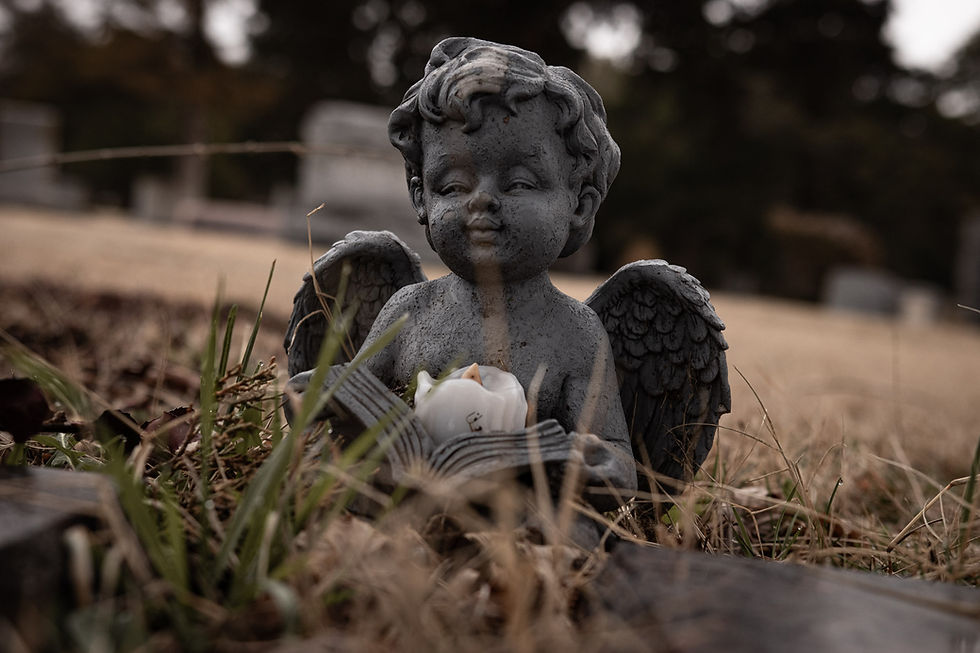
But standing there, looking at row after row, it becomes obvious how little that actually holds.
Who they were isn’t here. Not really.
There’s no voice. No movement. No context. Just a surface-level outline, slowly worn down by time and weather. Some stones still sharp and legible. Others softened, letters fading, edges breaking apart. A few already unreadable, their names slipping into the same quiet anonymity as the ground beneath them.
It raises an uncomfortable question: how long does a person remain known? Not remembered in a vague, abstract way, but known. Understood. Held in detail. For some, maybe a few generations. For others, less.

Eventually, even the people who could have told their story are gone. And what’s left is this. Stone, text, and whatever meaning a stranger decides to project onto it.
There’s something unsettling about realizing how much of a life disappears, and how little is required for it to do so.
No dramatic ending. No clear moment where it’s lost.
Just gradual erosion. A letter fading here. A crack forming there. Moss creeping in, softening what was once precise. Until one day, there’s nothing left to read.

And yet, people still walk through these spaces. Still pause. Still look.
Even without the full story, there’s an instinct to acknowledge that something was here. That someone mattered, even if the details are gone.
Maybe that’s the closest thing to permanence there is. Not the name itself, but the act of noticing.

A brief moment where a stranger stops, reads what they can, and carries that fragment forward, even if only for a few seconds.
It’s not much.
But it’s not nothing, either.


Comments